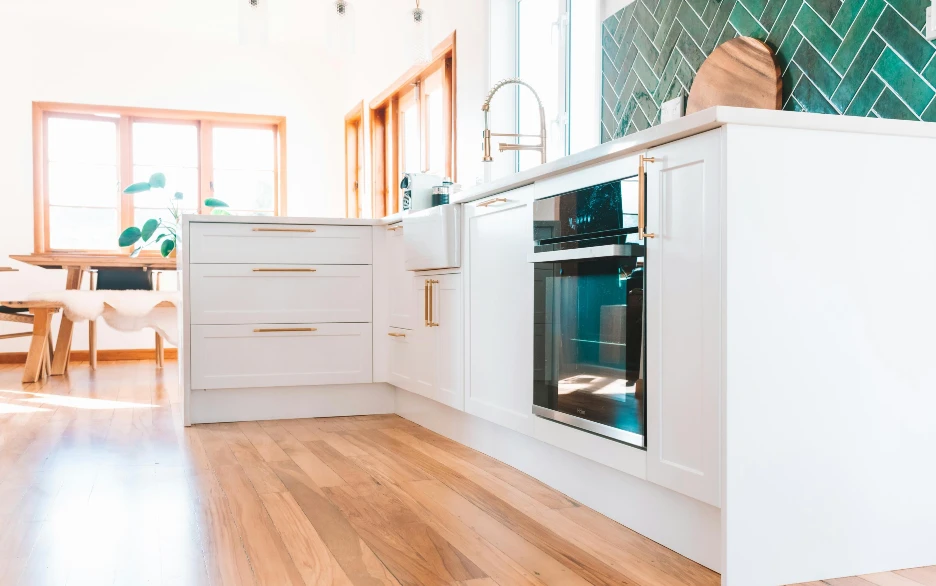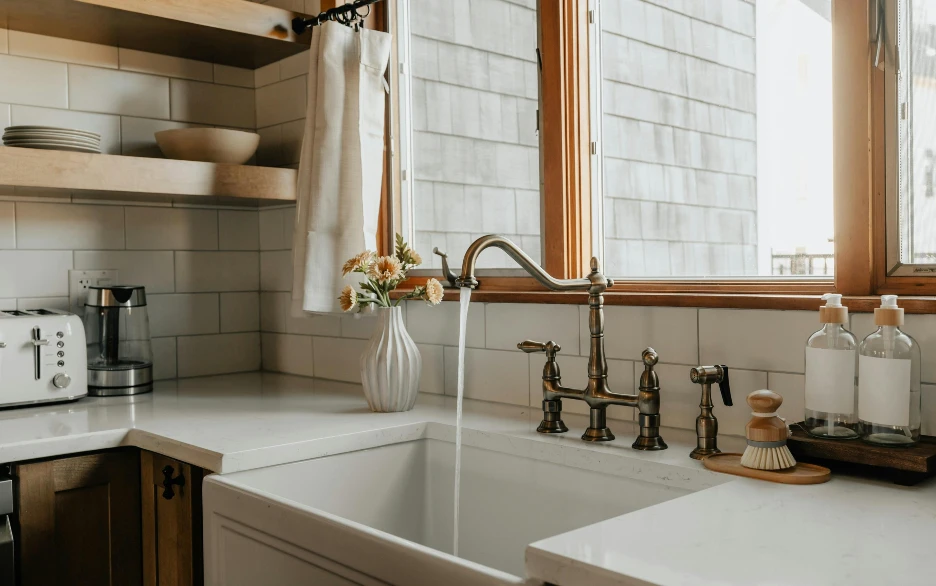


At Innovative Kitchen and Flooring Supply, we spend our days helping homeowners across Chambersburg, Frederick, and the surrounding Pennsylvania and Maryland communities choose kitchen rugs that add comfort underfoot, protect flooring, and bring style to busy spaces like the sink, stove, and prep areas. And if there’s one question we hear almost as often as “what countertop should I choose,” it’s this one: what should I actually look for in kitchen rugs?
It’s a fair question. The kitchen is one of the busiest rooms in the house, and honestly, one of the most utilitarian spaces you’ll ever decorate. It’s where dishes get washed, dinner gets made, kids do homework at the table, and the dog tracks in mud after every walk. A rug in this room has to do more than look nice. It has to survive everyday life, feel good to stand on, and help guard the floor against spills, scuffs, and wear.
Below, our team walks through what to look for in kitchen rugs, including material options, washable choices, where to place them in different kitchen zones, how to choose the right size, when to use a rug pad, how to clean them, and how to make sure the style works with the rest of your kitchen. If you’re planning a refresh or a full remodel, the right rug can make everyday kitchen life more comfortable while tying the whole room together.
Why Kitchen Rugs Matter More Than You’d Think
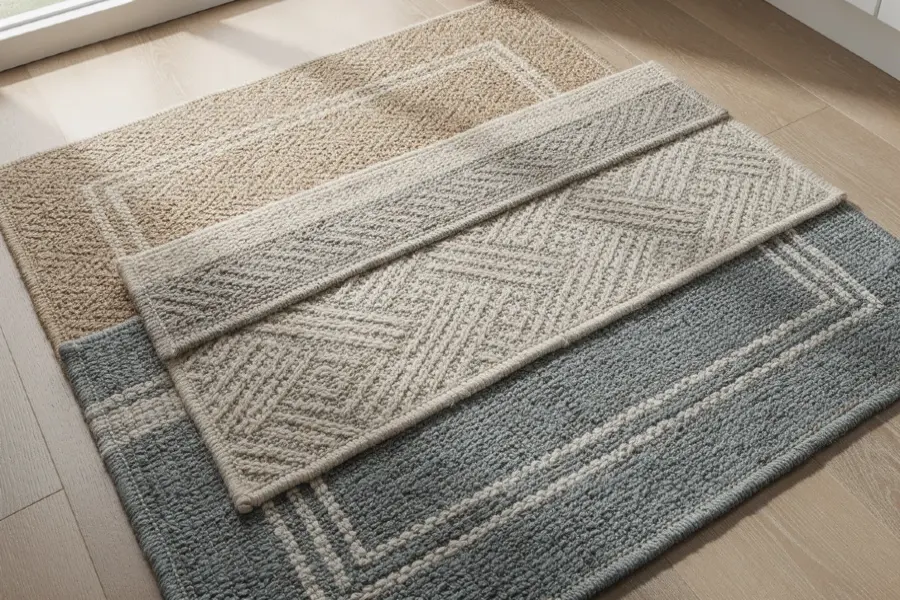
A good rug does a lot of quiet work. It adds comfort underfoot when you’re standing at the stove for an hour; it protects your floors from scuffs and spills; and it gives a fresh new look to a kitchen that might otherwise feel flat or purely functional. For households with hardwood or tile floors, a rug in front of the sink or stove can be the difference between a comfortable cooking session and sore feet by the end of dinner.
There’s also a design side to this. Rugs are one of the easiest ways to combine style and practicality in a kitchen. Whether your home leans rustic farmhouse, warm and traditional, or sleek mid-century modern, the right rug pulls the whole room together. Designers like Bunny Williams, Marie Flanigan, and Frances Valentine have all shown how a well-placed rug can transform a purely utilitarian space into something that feels intentional and stylish.
Start With Material: What Should a Kitchen Rug Be Made Of?
This is where most of our conversations with clients begin, because material affects everything else, from cleaning routine to how the rug feels under bare feet.
Natural fibers, like cotton, wool, or sisal, bring warmth and texture into a kitchen. Sisal in particular is highly durable and has a nice, natural look, though it tends to fall into the spot clean only options category rather than being fully washable. These are lovely in dining rooms or open-concept kitchens where there’s a little less exposure to grease and standing water.
Synthetic materials, on the other hand, are usually the more practical choice for the busiest rooms in the house. Polypropylene, nylon, and polyester blends are stain-resistant, easy to wipe down, and often come with a low pile that resists trapping inevitable crumbs and pet hair. If you have kids, pets, or just a habit of cooking with enthusiasm, a rug made from stain-resistant synthetic materials will save you a lot of frustration.
We also see more clients asking about recycled materials these days. Eco-friendly rugs made from recycled plastic or fiber are a great option if sustainability matters to your household, and many of them are surprisingly soft and durable at the same time.
Washable Kitchen Rugs: Yes, They Really Exist
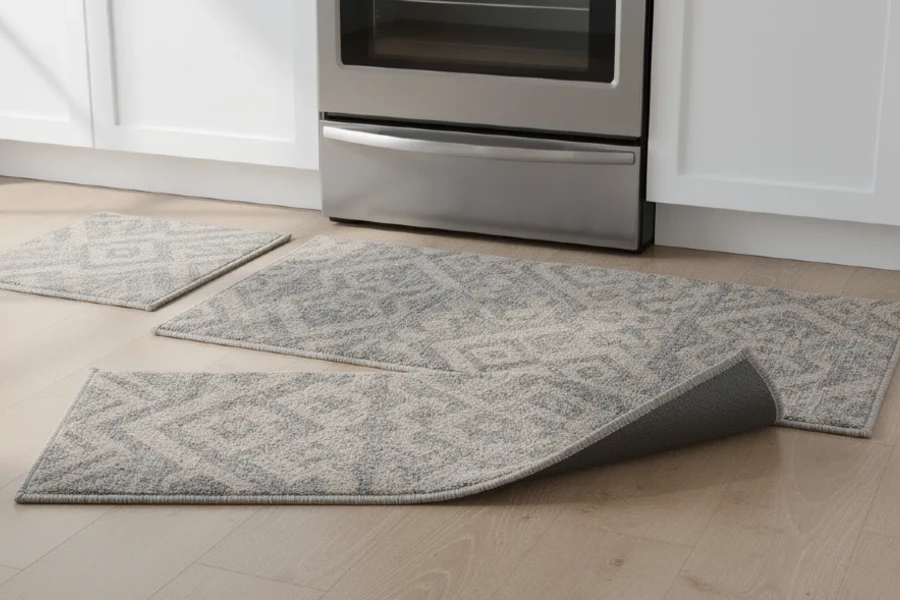
Here’s something we love telling clients: washable kitchen rugs exist, and they’ve come a long way. A washable rug that can go straight into your machine takes so much stress out of kitchen life. Spilled sauce, tracked-in snow, a dropped glass of juice- none of it has to mean a permanent stain or a rug that gets tossed after one season.
When you’re shopping, look specifically for rugs labeled machine washable rather than assuming every rug can handle a wash cycle. Some rugs are designed to be an outdoor rug or an all-purpose type indoor rug, and while those tend to be durable, they’re not always built for a home washing machine. Check the label. If a rug is spot clean only, that’s fine for lower-traffic areas like a dining room, but we wouldn’t put it directly in front of the sink where it’s going to take the brunt of daily splashes.
Where You Put a Rug Matters As Much As What You Buy
One of the biggest mistakes we see homeowners make is choosing a rug before thinking about where it’s actually going to live. Here’s how we break it down for our clients.
In Front of the Sink
This is the single most popular spot to put a rug in any kitchen, and for good reason. You spend a lot of time standing there washing dishes, and a soft, cushioned mat makes a real difference in comfort. Anti-fatigue mats are especially popular here, since they’re designed specifically to ease pressure on your feet, knees, and lower back during long stretches at the sink. Look for a kitchen mat with a low pile and a non-slip backing so it doesn’t slide around on wet floors.
By the Stove
A rug near the stove needs to handle heat, grease, and the occasional dropped bit of dinner. We usually steer clients toward thinner, low-pile rugs here, since a rug with too much thickness (thin is actually the better choice near an active cooking area) can become a tripping hazard near appliance doors.
Under the Kitchen Table
For the dining area, whether it’s a full kitchen table setup or a cozy breakfast nook, rugs serve a slightly different purpose. Here, style often takes the lead. A patterned rug, an animal print, or a bold color can anchor the whole room. Just make sure the rug is large enough that chairs stay on it even when pulled out; otherwise, you’ll end up with chair legs constantly catching the edge.
Along the Kitchen Island
Kitchen islands have become the heart of so many modern homes, and a runner alongside one adds both definition and comfort to that high-traffic area. For longer islands, look at the longest runners available or consider a custom size so the rug runs the full length of the space without gaps.
Galley Kitchens and Narrow Layouts
If you’ve got a galley kitchen, a single runner is usually your best bet. These extra-long stretches of flooring benefit from one continuous rug rather than several smaller mats, both for a cleaner look and for consistent footing as you move between the counters.
The Laundry Room
We’d be remiss not to mention this one, since so many of our clients ask about it in the same breath as kitchen flooring. The same washable, non-slip, low-pile rugs that work so well in a kitchen are often a perfect fit for a laundry room too. It’s another high-traffic, moisture-prone space that benefits from an easy-clean rug.
Getting the Size Right
Sizing is one of those details that seems small until you get it wrong. As a general guideline, we recommend leaving at least three to four inches of visible flooring around the edges of a rug when it’s placed in a defined area, like in front of the sink or under a table. This keeps the room from feeling cramped and gives the rug room to breathe visually.
Standard kitchen rug and mat sizes typically run 2 feet by 3 feet or 3 feet by 5 feet, which works well for sink and stove zones. For dining areas, you’ll want something larger, often 5×7 or bigger, so the table and chairs stay fully on the rug. If none of the standard dimensions work for your space, ask about a custom size. Getting the perfect fit matters more than people expect, especially in a galley kitchen where every inch of walking space counts.
Don’t Skip the Rug Pad
A rug pad is one of those small additions that makes a big difference, and it’s a bonus most homeowners don’t think about until after they’ve already had a slip or a rug that keeps bunching up. Even rugs that come with a built-in non-slip backing benefit from a quality pad underneath, especially on hardwood or tile. It also extends the life of the rug itself by reducing friction against the floor.
Cleaning and Caring for Your Kitchen Rug
Because kitchens are among the busiest rooms in any household, rugs here need more frequent attention than rugs elsewhere in the house. Here’s what we tell our clients:
- Vacuum regularly. Two to three times a week is a good habit for high-traffic areas, and it helps if you vacuum both sides of the rug when possible to pull out grit that’s worked its way into the backing.
- Shake it out. For smaller rugs and mats, taking them outside and giving them a good shake at least once a week helps remove dust and debris before it builds up.
- Spot clean promptly. Whether you’re dealing with a stain-resistant synthetic or a natural fiber piece, the material resists stains far better when spills are addressed right away rather than left to set.
- Air dry fully. This is especially important for washable kitchen rugs. Trapped moisture under a mat can lead to mildew odors, particularly in humid summer months here in the Pennsylvania and Maryland region. Let your rug dry completely before putting it back down.
- Watch for seasonal grime. Between spring mud and winter road salt tracked in from outside, our local climate puts extra demand on kitchen and entry rugs. A washable, low-pile rug makes seasonal cleanup dramatically easier than a thick, handcrafted piece that requires professional cleaning.
Style Considerations: Making It Feel Like Home
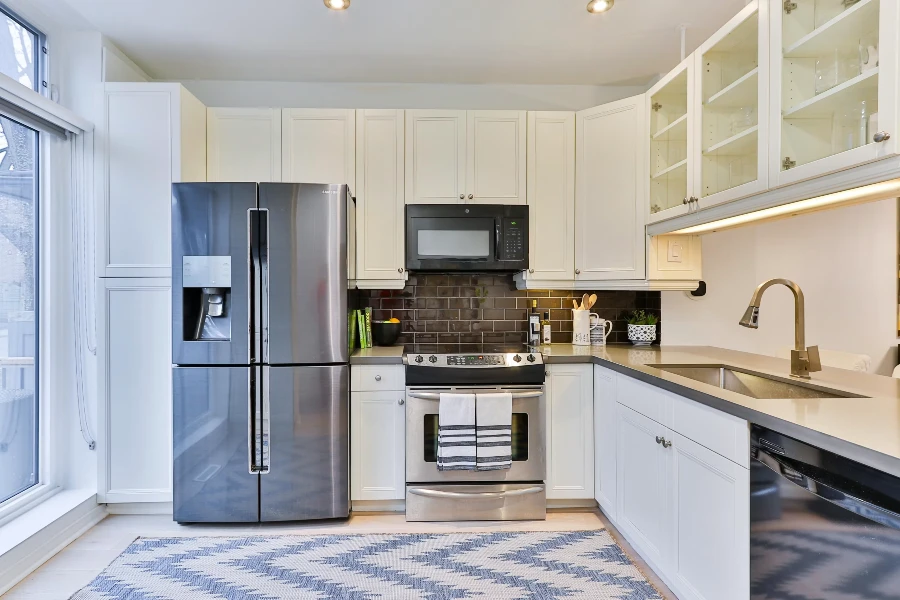
Once the practical boxes are checked- is your rug stain-resistant, is it machine washable, does it have non-slip backing- we love helping clients have fun with style. A rug is one of the most affordable ways to give a kitchen a fresh new look without a full renovation.
If your kitchen leans modern, look for clean geometric patterns or a solid neutral in a low pile weave. For a warmer, more rustic house, natural fibers like sisal or jute bring texture without overwhelming the space. Pet-friendly households often do well with patterned or animal print rugs that hide fur and the occasional muddy paw print between cleanings. And if your kitchen already has a strong personality, whether that’s a bold backsplash or open shelving full of dishes and glassware, a simple, best kitchen rugs pick in a neutral tone lets the rest of the room shine.
Let Innovative KFS Help You Find the Perfect Rug
At Innovative Kitchen and Flooring Supply, we believe every detail matters, right down to what’s under your feet. Our team can help you think through material, size, and placement so your new rug actually fits your household’s everyday life, not just a photo in a catalog. And if a new rug has you looking at the rest of your space with fresh eyes, we’re also here for the bigger picture. Our kitchen remodeling services cover everything from cabinets and countertops to flooring, so your kitchen looks and feels cohesive from the floor up.
Whether you’re outfitting a busy family kitchen, updating a laundry room, or simply looking for a durable, washable rug to handle daily wear near the sink, our team is happy to talk through your options. Stop by one of our Pennsylvania or Maryland locations, or reach out to our team, and let’s find the rug that makes your kitchen feel like home.